
Climate protection is a fundamental human right
Active Value ratings will count hidden costs & benefits; ICJ finds climate action is a legal duty; canceling climate policy will cost lives & treasure; food systems can drive sustainable prosperity.

Actionable insights for a livable future
The summer of 2025 is a time of turmoil and tension. While just 22% of the U.S. population voted to give Donald Trump a second chance at the office of President, his administration is rapidly moving to remake American governance and reshape American communities, with few clear legal foundations for its actions. Even the Supreme Court, in removing blocks on potentially unlawful actions of government, admits that those actions might be unlawful and causing serious injustice to millions of people.
One of the great injustices of industrial-scale pollution is the fact that everyday individual actions contribute to the overall crisis, but individuals are helpless to stop pollution at scale. Pollution is built structurally into the ways in which we solve everyday problems. This is true for climate pollution and also for plastic pollution and other toxic pollutants that contaminate air and water supplies. It is estimated that plastic pollution in the ocean may exceed biomass, by weight, by 2050. As biomass collapses, all other forms of ecological and climate breakdown become more likely.
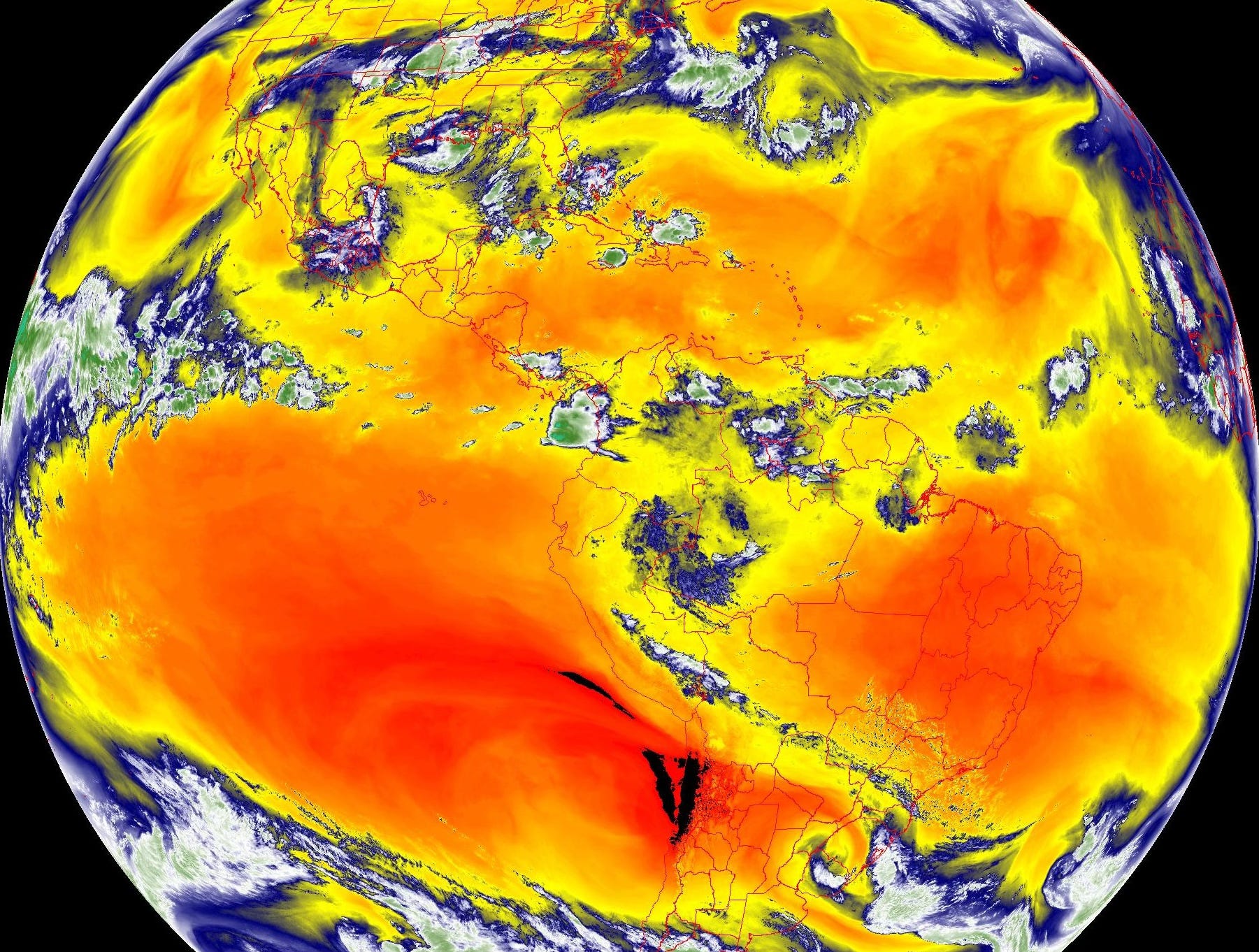
In the dynamics of that injustice, we may find the answer to this existential challenge. All people have a right to know whether they are making everyday choices that make this planetary crisis—which affects all life on Earth—worse, or whether they are helping to improve our chances of surviving in a dignified and liberated way.
ICJ finds all nations have a legal duty to act on climate
The International Court of Justice has issued an Advisory Opinion [PDF] finding that nations are obligated to act to reduce climate-related risk for their people and for other nations. This obligation is rooted in specific treaties and other international agreements, but also in customary international law (which recognizes the legitimacy of nation states, as such) and in fundamental human rights, which are transcendent and irreducible.
Paragraph 427 of the ICJ opinion included this historic legal finding:
Failure of a State to take appropriate action to protect the climate system from GHG emissions — including through fossil fuel production, fossil fuel consumption, the granting of fossil fuel exploration licences or the provision of fossil fuel subsidies — may constitute an internationally wrongful act which is attributable to that State.
What this means, in practical terms, is that courts of law are correct in their interpretation of legal responsibilities and remedies if they find that a national government has acted insufficiently, or contrary to its legal obligations to safeguard the rights of its citizens and of people elsewhere, and that legal remedies can ensue. Remedies might include penalties stated in national laws, in the country in question or in another country, or coordinated actions by groups of countries, working multilaterally to incentivize climate cooperation.
Canceling climate policy will cost trillions of dollars & worse
The government of the United States has a fundamental responsibility to exercise public authority to protect the American people, and people in other nations, from preventable harm caused by climate pollution. This duty is embodied in the Preamble to the Constitution of the United States, which commits the government to:
establish Justice, insure domestic Tranquility, provide for the common defence, promote the general Welfare, and secure the Blessings of Liberty to ourselves and our Posterity…
It is also embodied in the First, Ninth, and Fourteenth Amendments, which provide for:
An irreducible right to legal redress;
The protection of all human rights, including those not written in law;
Equal protection for all people, without favor for powerful interests that might seek special permission to cause harm to others.
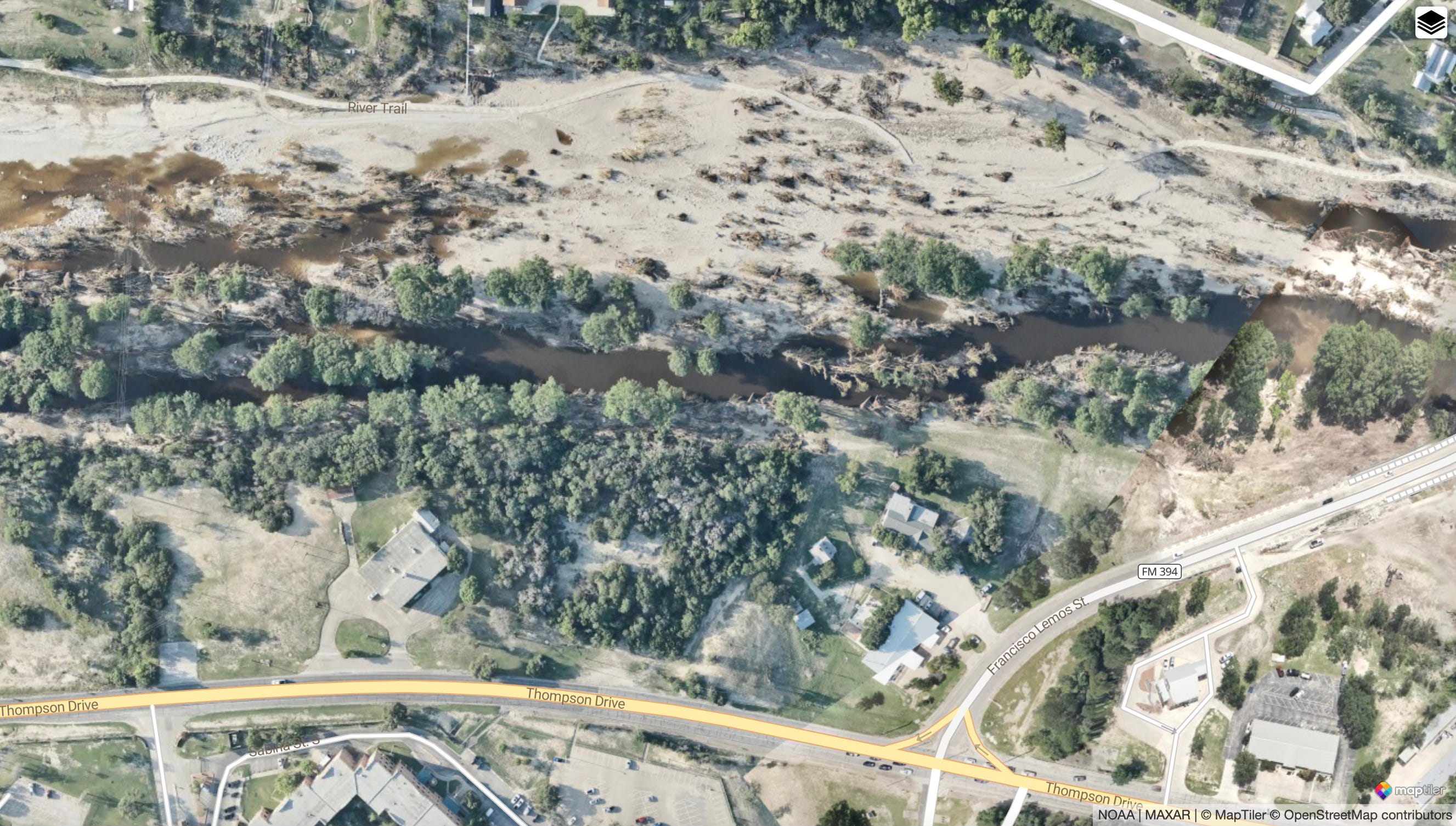
While Congress is working to safeguard the National Weather Service and background Earth observation science that makes it possible, in the wake of the catastrophic loss of 137 lives in central Texas flash floods, the Trump administration has announced it will end sharing of life-saving hurricane data from military satellites, close the Chemical Safety Board, and move to cancel the Environmental Protection Agency’s Endangerment Finding.
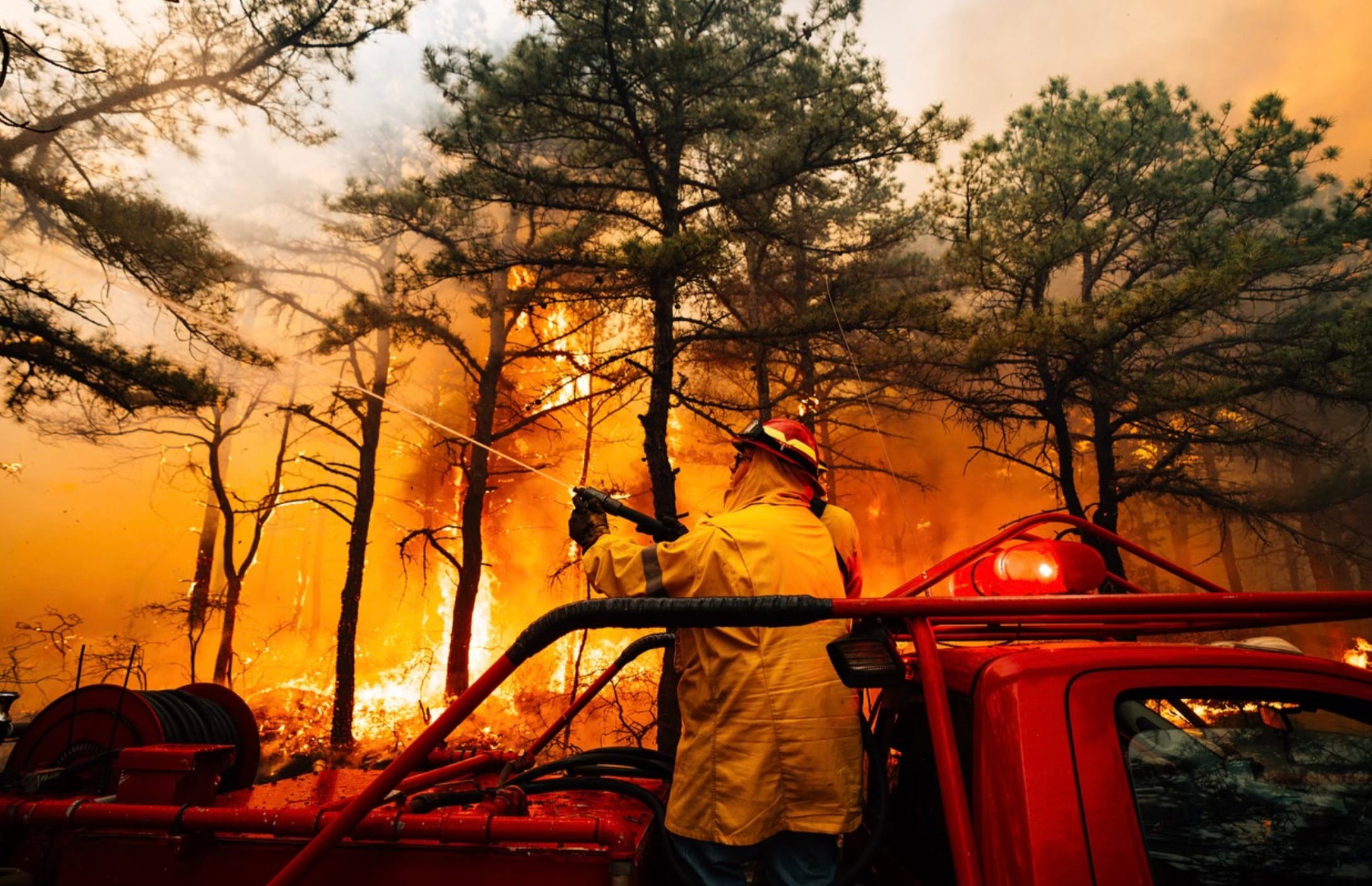
Climate change is not theoretical; it is not an idea or a belief. It is happening right now, in every country and region, and it is already imposing massive damage, loss of life, and cost. The strain on public budgets is already enormous and rapidly worsening. Refusing to recognize climate disruption, ignoring or suppressing climate data, sabotaging attribution science, and removing legal protections for human and environemntal safety, cannot and do not exonerate any actor from climate risk and liability.
Food systems for human, economic & planetary health

Four years after the historic United Nations Food Systems Summit, there are many big questions looming about the future of food systems, globally, at regional and national levels, and in terms of what is available to people, locally, in their everyday lives. A few contextual insights are necessary to frame those big questions:
Industrial-scale processes, including finance, transportation, and logistics, have a greater influence on how human beings get food today than ever before.
A wicked polycrisis of climate disruption, shock supply chain disruptions linked to COVID and conflict, resurgent protectionism, and worsening income inequality, have pushed hunger to all-time highs.
Much of the transformative potential in our food systems is in the hands of smaller-scale actors, even subsistence communities, who are generally ignored by mainstream food policy and finance.
Earth system data—available not only to large institutions but also smallholders and communities—are essential for supporting the transition to climate-resilient, regenerative food production.
Planetary health is more of a concern than ever before, as we now see high-impact climate anomalies nearly all the time, including floods, droughts, storms, and rising sea levels.
We describe the polycrisis as a wicked problem, because each of its drivers makes it harder to reduce the risk and cost associated with the others. There are at least five major threads to the ongoing polycrisis, each of which continues to constitute major disruption, even if time-sensitive causes, like the COVID-19 pandemic, would appear to have subsided. Crosscutting concerns mean at least seven dimensions of interacting crisis are making solutions more elusive.
ADDITIONAL READING
Food security, lives & overall prosperity are at risk, as climate disruption worsens – The Navigator
Food finance implications of the ICJ climate opinion – Climate Value Exchange
What it means to ‘make America great’ – The Faithful Citizen
What is going on with artificial intelligence? – Activv.net
ACCESS to GOOD: The recipe for enduring prosperity

Two months after 196 nations gathered in Paris to negotiate the most important implementation agreement for global climate action, the Paris Agreement, Geoversiv released a short brief titled ACCESS to GOOD, through the Engage4Climate Network, in collaboration with partners in the Pathway to Paris stakeholder engagement process. It was a hopeful combina…